

The dirndl stands as a symbol of Bavarian culture. Fashion today moves forward with innovation. The discussion on dirndl explores how contemporary elements like fabric choices, silhouettes, color coordination, and accessory integration can bring a renewed aesthetic to this time-honored attire, while retaining its authenticity.
What Defines a Classic Dirndl?
The dirndl has long maintained a structured identity within traditional clothing. Its components, the blouse, bodice, skirt, and apron, function not only as garments but as signifiers of cultural meaning. A classic dirndl dress adheres to a consistent aesthetic and proportion, often reflecting regional variations in detail but unified by certain timeless features.
Understanding the dirndl’s fundamental characteristics is important before introducing modern interventions.
What Elements Truly Define the Modern Dirndl Today?
A summary of key updates illustrates the breadth of innovation available while remaining true to the original structure. Designers reinterpret silhouettes and colors to reflect current dirndl fashion trends, keeping the look modern and relevant.
| Element | Modern Interpretation |
| Silhouette | Slimline skirts, clean-cut bodices |
| Fabrics | Wool blends, organic cotton, textured linens |
| Colors | Dusty pastels, muted earth tones, monochromes |
| Apron | Tulle, sheer overlays, tailored belts |
| Accessories | Minimalist jewelry, modern bags, simple shoes |
| Styling Approach | Mix-and-match pieces, seasonal adaptability |
How Can a Dirndl Be Modernized Without Compromising Tradition?
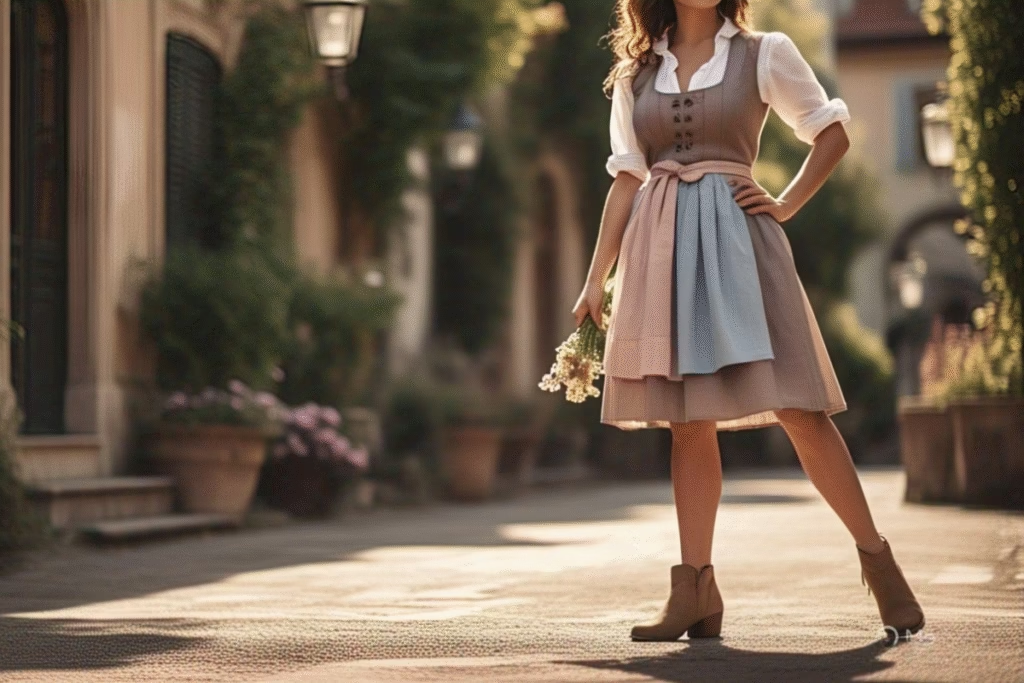
Modernizing a dirndl involves careful balance. It is not about replacing traditional features but refining them to suit contemporary aesthetics. Design integrity must be preserved even as current fashion sensibilities are integrated.
- Refined Silhouettes
Streamlined skirts and more contoured bodices offer a modern profile. Rather than the heavily gathered classic skirt, go for A-line or softly flared alternatives. - Updated Necklines
High-neck bodices, V-shaped cuts, and gentle scoop necklines provide freshness without undermining the historic form. - Tonal Fabric Choices
Replace overly decorative materials with textured fabrics in subtle tones. Think velvet in pale sage or matte silk in ivory. - Simplified Detailing
Modern dirndls often minimize embroidery or floral motifs. The beauty lies in form and fabric rather than embellishment.
Which Color Palettes Reflect a Contemporary Sensibility?
Color in traditional dirndls often followed seasonal or regional patterns. Today, the use of modern shades provides a fresh identity, particularly for those who wear the dirndl outside of traditional festivals.
In contemporary styling:
- Monochromatic Palettes
One color family across blouse, skirt, and apron gives a minimalist yet intentional look. - Pastel and Dusty Tones
Light blush, powder blue, sage green, and lavender soften the traditional vibrancy. - Earth-Inspired Hues
Sandstone, olive, and ochre root the design in natural tones suitable for year-round wear. - Cool Neutrals
Gray, charcoal, ivory, and cream expand the formal and urban applications of the dirndl.
These options reduce visual intensity while enhancing the garment’s sophistication. Earth tones and pastel shades dominate the upcoming dirndl style trends.
Can a Dirndl Be Integrated Into Everyday or Urban Wardrobes?
Yes. The dirndl’s versatility lies in how one interprets its components. By using the pieces individually or modifying their styling, the dirndl becomes wearable in a variety of settings beyond Oktoberfest or cultural events.
- The Bodice as a Standalone Top
Worn with high-waisted trousers or a tailored skirt, it can serve as an elegant piece in modern ensembles. - The Skirt as an Urban Staple
A dirndl skirt paired with a knit top or blazer provides a transitional item suitable for office or casual settings. - Layering for Utility
Adding a cropped jacket or turtleneck underneath modifies the look while retaining its character. - Minimal Footwear
White sneakers, sleek ankle boots, or leather loafers replace traditional heeled pumps.
Adaptation here is about discretion and respect. It does not aim to deconstruct the dirndl but to extend its relevance.
What Classic Accessories Complement a Modern Dirndl Aesthetic?
Accessories provide a bridge between tradition and innovation. Avoiding excessive folklore motifs in favor of subtlety leads to a more curated appearance.
Begin with restraint:
- Jewelry
Gold or silver hoops, small pearls, or geometric designs elevate without distracting. - Hair Styling
Replace crown braids with low buns, soft curls, or clean ponytails. Hair accessories in silk or velvet offer a tactile modern twist. - Belts and Bags
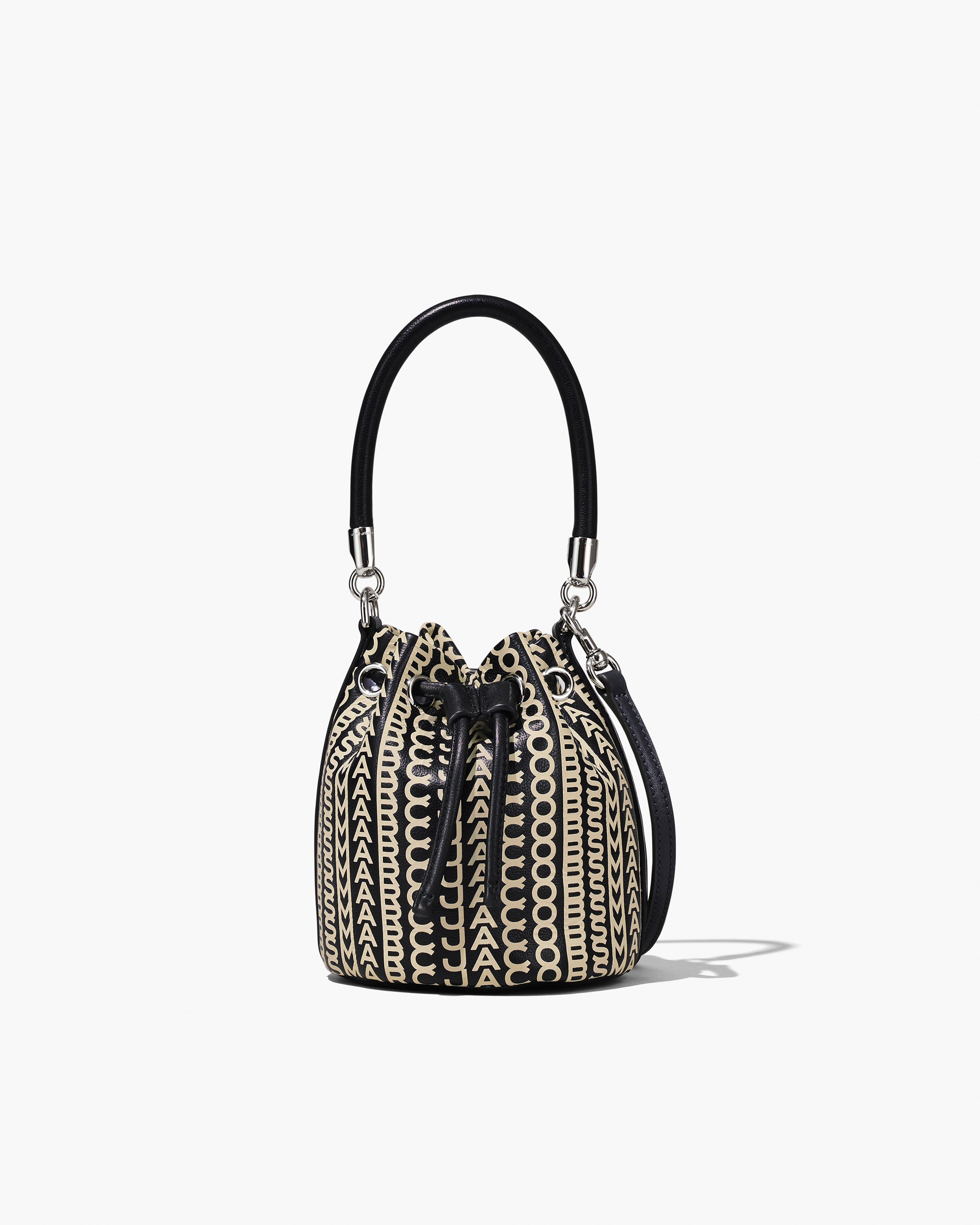
Slim belts, especially in neutral leather, provide structure. Crossbody or structured mini bags in monochrome tones fit the mood. - Scarves
A silk neck scarf, loosely tied, can replace traditional chokers.
Understated elegance preserves the dirndl’s authenticity while situating it within contemporary fashion.
How Can the Apron Be Used to Modernize the Entire Look?
The apron is often the first component to be reimagined. As a removable element, it permits greater experimentation without altering the base garment. A modern apron can shift the entire visual weight of a dirndl. The apron knot placement can indicate whether the wearer is single, married, or widowed.
Consider the following approaches:
- Transparency and Texture
Use aprons made of sheer tulle, organza, or lace. These materials play with light and movement, enhancing the overall silhouette. - Structured Ties
Replace fabric bows with polished metal clasps or suede bands. - Length and Shape
Aprons with varied hemlines or slight asymmetry introduce modern geometry. - Print and Pattern
Instead of traditional embroidery, go for abstract prints or digitally rendered patterns.
Through these thoughtful changes, the apron moves beyond function and becomes a dynamic design feature.
What Styling Techniques Work Best for Seasonal Transitions?
As dirndls are increasingly worn across seasons, adaptability becomes important. It must offer comfort in various temperatures while maintaining elegance.
For colder months:
- Inner Layers
Blouses can be replaced by fine-gauge turtlenecks in cashmere or merino wool. - Outerwear Integration
Longline wool coats or capes in coordinating colors maintain visual continuity while providing insulation. - Footwear Adjustments
Replace open-toe styles with knee-high boots or fitted ankle boots. - Textile Changes
Heavy cotton, velvet, and wool allow warmth without altering the silhouette.
Such transitions allow the dirndl to function in urban environments where climatic versatility is key.
How Can Individual Expression Be Achieved Without Disrupting Cultural Roots?
Customization must respect the cultural lineage of the garment while making space for personal identity. This is where symbolic additions, rather than overt modifications, become powerful.
Subtle personalizations may include:
- Monograms
Initials embroidered onto the lining or apron hem. - Heritage Jewelry
Family brooches or lockets worn as discreet accents. - Apron Replacements
Interchangeable aprons with personal prints, motifs, or digitally created fabric. - Color Coding
Incorporating one’s favorite colors across accessories or trims.
These choices should feel intentional rather than performative. They enable wearers to connect with the garment, not overwrite its story.
Which Mistakes Should Be Avoided While Modernizing the Dirndl?
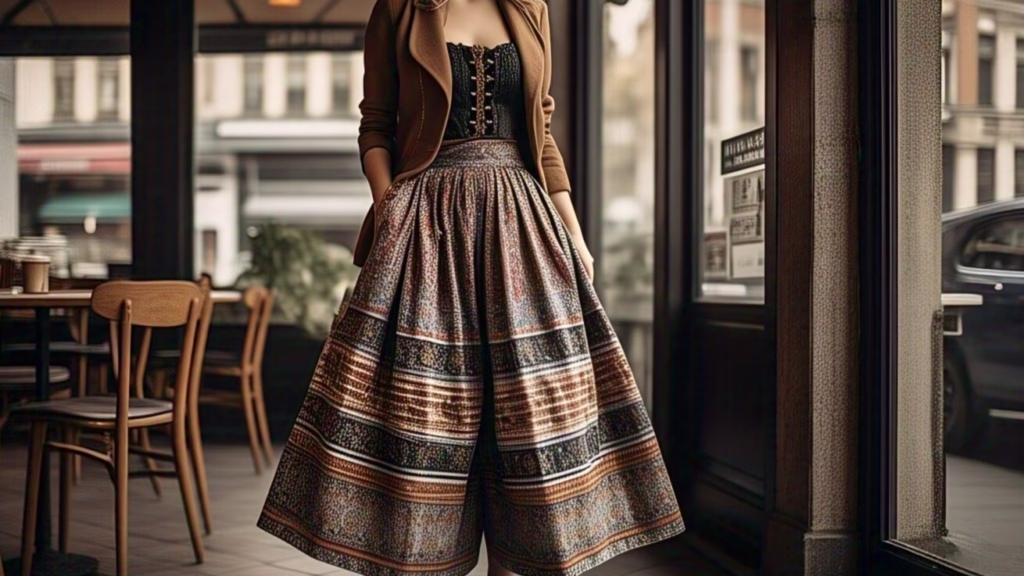
In the pursuit of modernization, certain errors can diminish the cultural and visual value of the dirndl. Understanding these helps preserve the garment’s dignity.
- Using synthetic, shiny fabrics that disrupt the garment’s drape and heritage feel
- Over-accessorizing with Alpine motifs that turn cultural garments into Oktoberfest costumes
- Choosing inappropriate footwear that clashes with the dirndl’s proportions
- Misplacing the apron knot, which traditionally indicates marital status
- Ignoring balance, either overly modernizing or rigidly adhering to traditional form
The dirndl commands respect. Its aesthetic must remain intentional, even when it evolves.
Final Thoughts
The modern dirndl is a dynamic expression of cultural heritage reimagined through contemporary design. The dirndl keeps its Alpine roots but now features modern cuts, soft colors, new fabrics, and simple accessories. Its adaptability through interchangeable elements like aprons and layering techniques allows it to transition seamlessly across seasons and settings. As long as cultural authenticity remains at the core, modern interpretations of the dirndl can honor tradition while supporting personal style and modern relevance.